ServicesGutter Installation
Gutter Installation in Charleston
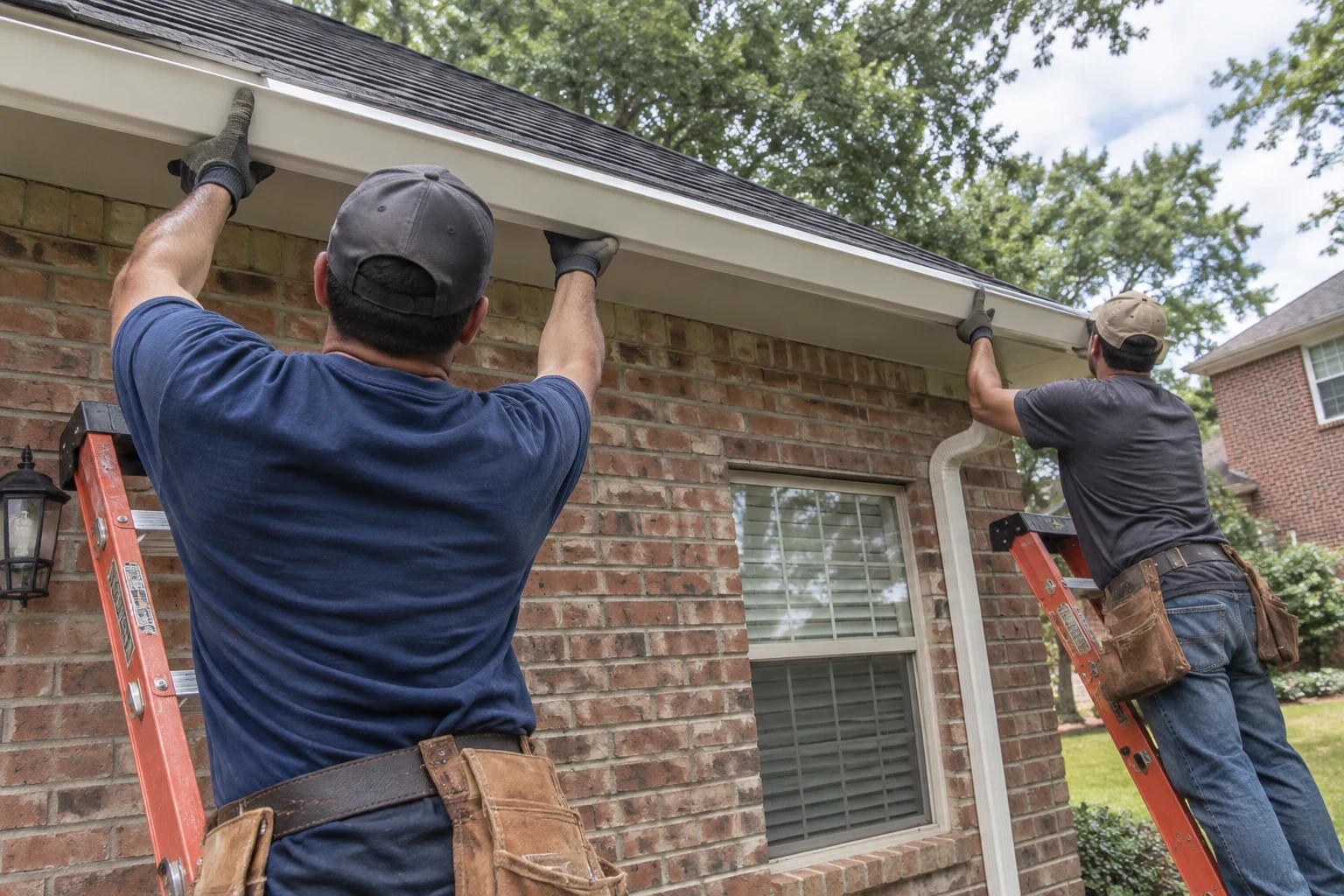
We put up new gutters sized for the water your roof actually sheds, hung on solid fascia and pitched so water keeps moving. The goal is a system that protects your home for years and stays easy to look after.
When new gutters are the right call
Not every leaky gutter needs replacing. If the runs are straight, the hangers hold and the metal is sound, gutter repair usually does the job for a lot less. We tell you that when it's true.
New gutters make sense when the old ones are rusting through, pulling off the fascia, too small for the roof, or patched so many times the patches leak. They also make sense when a new roof goes on, or when the old gutters were never set right to begin with.
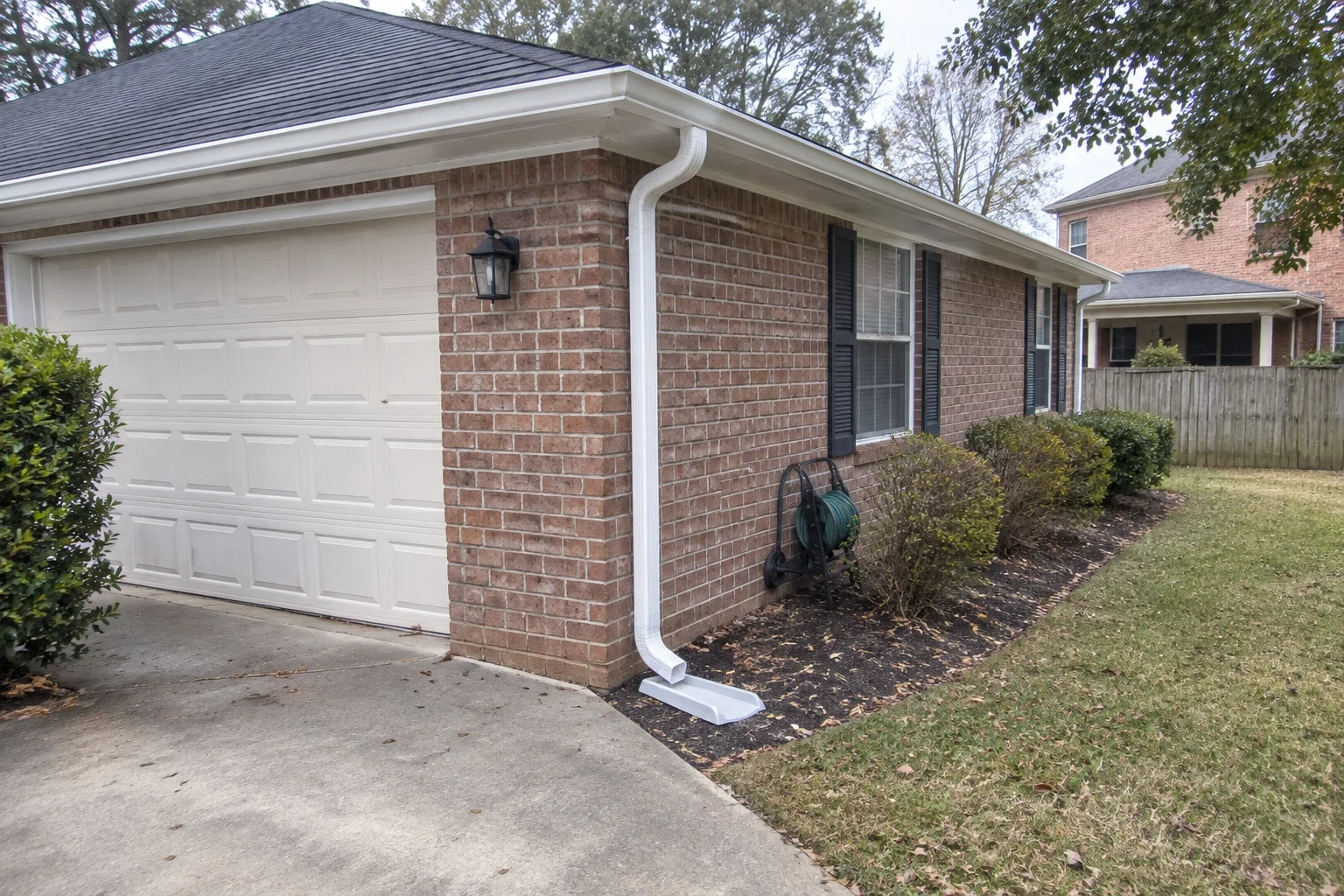
Our summer storms can drop a lot of rain in a short burst. A gutter that's sized and pitched right moves that water off the roof and away from your siding and foundation instead of spilling over the front edge. Done well, it's a job you won't think about again for a long time.
What goes into a new gutter system
Sizing to your roof
We measure roof area and pitch, then pick a gutter width that can carry the load. Plenty of homes do fine with 5-inch K-style. Long, steep roof planes often need 6-inch.
Fascia check first
Gutters are only as solid as the board behind them. We take the old gutters down, look at the fascia, and show you any soft or rotted spots before new metal goes on.
Hidden hangers, close spacing
We fasten with screws into solid wood, spaced close enough to hold the weight of water and wet leaves. Old-style spikes work loose over the years. Screws stay put.
A steady pitch
Each run gets an even slope toward its outlet, enough to drain without looking crooked from the street. Standing water is what eats seams and breeds mosquitoes.
Material that suits the house
Aluminum doesn't rust and holds up well in salt air. Copper costs more and lasts longer still. We'll go over both and match the color or finish to your trim.
Haul-away and yard check
We take the old gutters and fasteners with us and walk the beds and lawn before we leave.
Signs it's time for new gutters
Rust holes and split seams
Steel gutters rust from the inside out. Once you see holes or orange streaks down the face, patching only buys a season or two.
Runs pulling away
A sag in the middle of a run or a gap between the gutter and the fascia means the fasteners, or the wood behind them, have let go.
Water over the edge in hard rain
If water sheets over the front during a heavy storm even when the gutters are clear, they're likely too small or pitched the wrong way.
Peeling paint and soft trim
Overflow soaks the trim. Peeling paint, stained siding or fascia that gives under your thumb all point back to the gutters.
Puddles along the foundation
Water pooling against the house or washing out mulch beds means the gutters aren't carrying it where it needs to go.
How an installation goes
- 1
Free consultation
We walk the roofline with you, measure, and look at the fascia and where water lands now. You get a written estimate that lists each part of the job.
- 2
Take down and inspect
On install day we remove the old gutters and check the wood underneath. If we find rot, we show you photos and price the fix before going any further.
- 3
Hang and pitch
We snap a line for the slope, fasten the hangers, seal the corners and end caps, and cut in the outlets.
- 4
Test and walk-through
We run water through every section to check flow and seams. Then we walk it with you, answer questions and leave the yard the way we found it.
What sets the price
Every house is different, so we price after we've measured, not before. Your estimate is written out line by line, and nothing gets added without your OK. These are the main things that move the number.
- Length and height
- Total feet of gutter and the number of corners. Two-story and steep sections take more setup and more time on the ladder.
- Material and size
- Aluminum costs less than copper. A 6-inch gutter costs a bit more than a 5-inch one but can be the difference between holding a storm and overflowing.
- Fascia condition
- Rotted boards have to be replaced before new gutters go up. Sometimes we can't see the damage until the old gutters come down, so we price that part separately and show you first.
- Access
- Tight side yards, thick plantings, decks and porches under the roof edge all take extra care and time.
Questions about new gutters
Something not covered here? (843) 751-4238
Could you fix my gutters rather than replace them?
In many cases, yes. When the metal is still good and the problem is one loose run or a leaking joint, gutter repair is money better spent. We'll say which route we'd take and explain why, and the choice is yours.
Is it worth adding gutter guards with new gutters?
With trees above the roof, it's worth considering. Adding gutter guards or gutter covers during the install means a single setup and less upkeep later. If nothing hangs over your roof, you might skip them.
Could the job harm my roof or yard?
Our ladders use standoffs, so they never lean on the shingles or the new gutter. Tarps go over planting beds where old sections come down. If something does get bumped, we let you know.
What lifespan can I expect from new gutters?
Aluminum gutters fastened to sound fascia and kept clear often go 20 years or longer, and copper goes well beyond that. Sagging hangers, clogs and water left standing wear them out sooner, so we focus our effort on fastening and slope.
Can new gutters be ready for a rain chain?
Yes. A rain chain hangs from a gutter outlet and leads water down in plain view. While installing, we can put an outlet where the chain will line up with a drain point or splash area.
Will you do installs beyond the city limits?
Yes. We cover the surrounding area, including North Charleston, Mount Pleasant, James Island and Summerville. Call us and we'll book a time to measure.
Get your new gutters measured right
We'll come out, measure, check the fascia and tell you plainly whether you need new gutters or just a fix. The estimate costs you nothing.